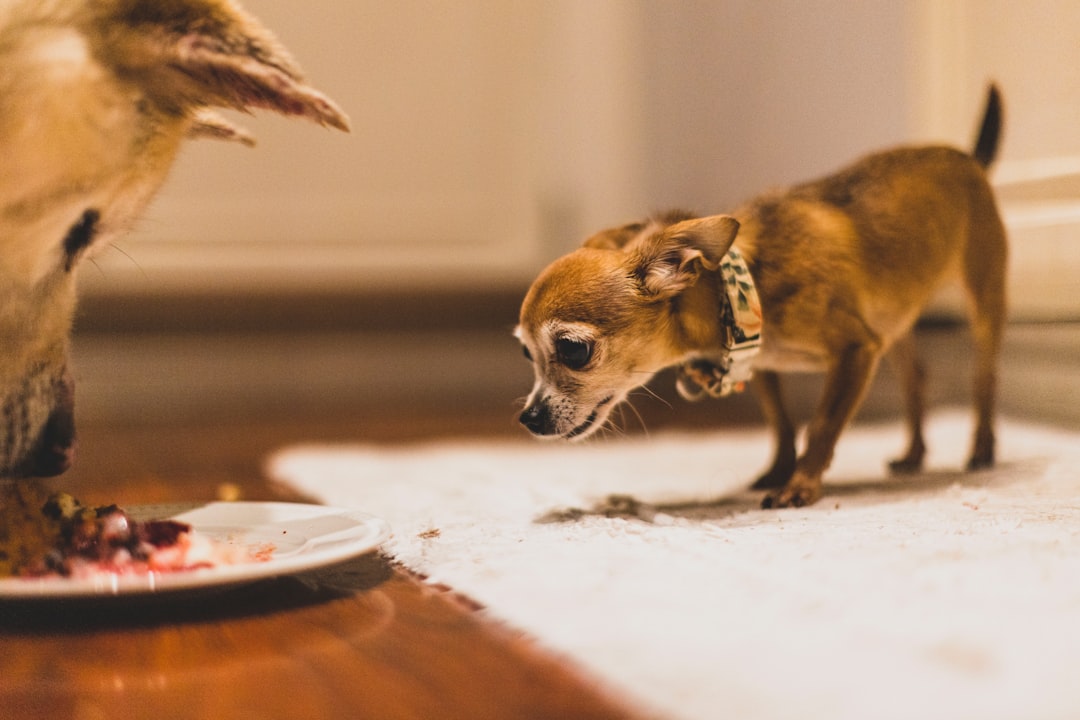
You have done the research. You know commercial kibble is not the whole story. And now you are standing at a fork in the road that every devoted dog owner eventually reaches — the question of fresh dog food vs raw dog food, and which one actually makes good on its promise of a longer, healthier life for your dog.
This is not a simple question. And anyone who tells you it is has probably not read the studies.
In our experience talking to dog owners who have made both switches — from kibble to raw, and from raw to gently cooked fresh food — the decision almost always comes down to three things: what the science actually says about safety, what your specific household looks like, and whether you are optimizing for the idea of natural or the reality of nutritional delivery. By the end of this article, you will know exactly where the evidence lands, what the real risks of raw feeding are for dogs and the humans around them, and how to make the choice that protects your dog and your family.
Let's start where the debate usually starts — and usually goes wrong.
The Raw Feeding Argument: What Devotees Get Right (And What the Research Complicates)
The appeal of a raw diet for dogs is not hard to understand. Wolves eat raw meat. Dogs descended from wolves. Cooking destroys enzymes. The more "natural" a food source, the better. It is a clean, intuitive argument, and for millions of dog owners, it feels like the obvious answer to decades of processed, ultra-heated kibble.
And raw feeding advocates are not wrong about some of it.
Raw diets — when properly formulated — do preserve heat-sensitive nutrients that cooking can reduce. Certain enzymes, some B vitamins, and specific amino acid profiles can be affected by high-temperature processing. There is a legitimate conversation to be had about what industrial cooking does to dog food at scale.
But here is where the raw feeding narrative runs into a wall of peer-reviewed data most advocates do not quote.
The Bacterial Contamination Reality
In 2019, a study published in PLOS ONE analyzed 35 commercial raw dog food products from eight European countries. The findings were sobering: pathogenic bacteria were detected in the majority of samples, including Salmonella (in 54% of samples), Listeria monocytogenes (in 80% of samples), and extended-spectrum beta-lactamase (ESBL)-producing E. coli in over a quarter of products.
These are not minor organisms. Listeria monocytogenes is a bacterium that can cause life-threatening illness in pregnant women, newborns, elderly individuals, and immunocompromised people. Salmonella shedding from dogs on raw diets has been documented in peer-reviewed literature — meaning your dog can carry and shed the bacteria without showing symptoms, creating transmission risk for everyone in the household.
The U.S. Food and Drug Administration (FDA) has issued formal guidance on raw pet food diets, stating explicitly that the agency does not recommend raw diets for pets due to the risk of illness to both animals and humans. This is not a fringe position — it is the consensus view of every major veterinary regulatory authority in the United States.
The American Veterinary Medical Association (AVMA) formally discourages feeding dogs raw animal-source protein, citing the risk to human and animal health from pathogenic microorganisms.
None of this means raw feeding is always catastrophic. Many dogs eat raw diets their entire lives without obvious health consequences. But "my dog seems fine" is not the same as "this is safe" — particularly for the humans in the household, and particularly for immunocompromised family members who have no say in what goes into their kitchen sink, their dog's bowl, or their floor.
The Nutritional Balance Problem in Raw Diets
There is a second issue that raw feeding advocates rarely lead with: homemade and commercial raw diets are frequently nutritionally incomplete.
A study published in the Journal of Nutritional Science analyzed multiple homemade raw recipes and found that the majority were deficient in critical nutrients including calcium, zinc, Vitamin D, and essential fatty acid ratios. Even commercial raw diets are not immune — the regulatory framework for raw pet food in the United States does not require the same pre-market proof of nutritional completeness that applies to cooked commercial diets under AAFCO guidelines.
This matters more for small breeds, senior dogs, and puppies — dogs whose nutritional margins are tighter and whose bodies have less capacity to compensate for deficiencies over time.
What Gently Cooked Fresh Dog Food Actually Does to Nutrients
Here is where the fresh food conversation gets genuinely interesting — and where the marketing language of "gently cooked" either earns its meaning or does not.
The term gently cooked dog food refers to meals prepared at lower temperatures (typically between 165°F and 190°F) for shorter periods, designed to kill pathogens while minimizing the nutritional degradation that occurs at the ultra-high temperatures used in kibble manufacturing (often exceeding 300°F in the extrusion process).
The logic is sound. And the research supports it, with important nuance.
What Low-Temperature Cooking Preserves vs. Destroys
Cooking at 165°F — the USDA-recommended internal temperature to kill Salmonella, Listeria, and most pathogenic bacteria — does the following:
Preserved at gentle cooking temperatures:
- The majority of protein digestibility (some studies show protein digestibility is actually improved through gentle cooking as heat denatures proteins in ways that increase enzymatic access)
- Most minerals (calcium, phosphorus, zinc, magnesium are largely heat-stable)
- Fat-soluble vitamins A, D, E, and K (largely preserved at low temperatures)
- Omega-3 fatty acids when cooked at low heat for short durations
Reduced by cooking (at any temperature):
- Water-soluble B vitamins (thiamine, folate, B12) can degrade with heat — reputable fresh food brands compensate with supplementation
- Some heat-sensitive enzymes (though dogs produce their own digestive enzymes and the clinical significance of dietary enzymes is debated in veterinary nutrition literature)
- Vitamin C (though dogs synthesize their own and it is not a dietary requirement)
The takeaway: a well-formulated, gently cooked fresh dog food diet eliminates the primary safety risk of raw feeding — bacterial contamination — while preserving the nutritional advantage that both raw and fresh diets hold over ultra-processed kibble. Reputable fresh food brands supplement for heat-sensitive nutrient loss, meaning the end product can be both safe and nutritionally complete.
Digestibility: The Number That Changes Everything
In our experience, the most overlooked metric in the cooked vs raw diet for dogs debate is digestibility — not just what nutrients are present in the food, but how much of those nutrients your dog's body actually absorbs and uses.
Gently cooked protein sources consistently show high digestibility scores in feeding studies. For context: high-quality fresh cooked chicken typically shows protein digestibility above 90%. Kibble, depending on ingredient quality and processing temperature, often falls in the 70-85% range. Raw protein digestibility varies considerably based on the protein source and fat content.
Higher digestibility means less waste, smaller stools, and — critically — more of the nutrition you are paying for actually reaching your dog's cells.
The Household Safety Question Nobody Wants to Have
Let's be honest about something that the raw feeding community often does not say loudly enough.
When you feed raw, you are not just making a decision for your dog. You are making a decision for every person in your home.
Salmonella and Listeria shed in the feces of asymptomatic dogs on raw diets. The handling of raw meat — even commercial raw pet food — introduces pathogens to surfaces, hands, and utensils in ways that standard handwashing does not always fully eliminate. The FDA's position is not bureaucratic overcaution — it reflects real case reports of human illness traced to raw pet food handling.
If your household includes any of the following, the raw feeding risk calculation changes significantly:
- Children under five years old
- Adults over 65
- Pregnant women
- Anyone undergoing chemotherapy or immunosuppressive therapy
- Anyone with HIV/AIDS, diabetes, or organ transplant history
This is not about fear. It is about informed decision-making. A gently cooked fresh diet eliminates this household transmission risk entirely while delivering comparable — and in some cases superior — nutrition.
Fresh Dog Food vs Raw Dog Food: A Direct Comparison
Let's put the key variables side by side so you can see exactly where each diet lands.
Safety Profile
Raw dog food: High bacterial contamination risk (up to 86% of commercial raw products in tested studies). Risk extends to dog AND human household members. FDA does not recommend.
Gently cooked fresh dog food: Pathogen elimination via heat. No meaningful household transmission risk when stored and handled properly. Regulatory-compliant when produced by reputable brands.
Nutritional Completeness
Raw dog food: Variable. Homemade raw diets are frequently nutritionally incomplete. Commercial raw varies — AAFCO compliance is not guaranteed. Requires careful sourcing and supplementation knowledge.
Gently cooked fresh dog food: Reputable brands formulate to AAFCO nutritional profiles, supplement for heat-sensitive nutrient loss, and often submit to third-party testing. Nutritional completeness is more reliably achievable.
Digestibility
Raw dog food: High digestibility for protein in most cases. Quality varies significantly by protein source and fat content.
Gently cooked fresh dog food: Consistently high digestibility. Cooking increases protein bioavailability. Whole food ingredients retain fiber and micronutrient profiles.
Practical Household Factors
Raw dog food: Requires careful freezer storage, dedicated thawing protocols, separate handling surfaces, strict hygiene after feeding and cleaning. Not suitable for all households.
Gently cooked fresh dog food: Refrigerated or frozen. Standard food-safe handling. Significantly lower cross-contamination risk. Easier for multi-person households to manage safely.
Cost
Both categories are premium compared to kibble. Raw feeding costs vary enormously based on whether you are sourcing your own ingredients or buying commercial raw. Fresh cooked food from reputable brands typically runs $3–$10 per day depending on your dog's size — comparable to mid-to-high-end commercial raw.
What We Actually Recommend — And Why
After reviewing the peer-reviewed literature, talking to dog owners who have made both transitions, and looking at the practical realities of what daily feeding looks like in a real household, our team's position is this:
For most dog owners, gently cooked fresh dog food delivers the nutritional benefits of whole-food feeding with a meaningfully better safety profile than raw.
This is not a knock on the intention behind raw feeding. The goal — getting away from ultra-processed food and giving dogs real, whole ingredients — is exactly right. The delivery mechanism of raw introduces risks that the research does not support dismissing, particularly for households with children or vulnerable family members.
The cooked vs raw diet for dogs debate often gets framed as natural versus artificial. But that framing misses the point. What matters is what is safe, nutritionally complete, digestible, and sustainable for your specific dog in your specific home. Gently cooked fresh food checks those boxes more reliably than raw for the majority of dog owners.
When evaluating fresh dog food brands, our team looks for:
- AAFCO nutritional adequacy statement — "complete and balanced" for your dog's life stage, not just "formulated to meet" standards
- Transparent ingredient sourcing — human-grade ingredients, named protein sources (chicken, not "poultry meal")
- Third-party testing for pathogens and nutritional content — reputable brands publish or provide this on request
- Clear supplementation for heat-sensitive nutrients — look for added B vitamins, particularly thiamine, on the ingredient panel
- Veterinary nutritionist involvement in formulation — this is the single most important credential to look for
If you are currently feeding raw and your dog is thriving with no household safety concerns, we are not here to tell you that you are wrong. We are here to make sure the decision is fully informed — which, if you have read this far, it now is.
Frequently Asked Questions
Is raw dog food actually dangerous for dogs?
Raw dog food is not universally dangerous, but peer-reviewed research consistently finds high rates of pathogenic bacterial contamination in commercial raw products. A 2019 study published in PLOS ONE found Listeria monocytogenes in 80% of raw dog food products tested across eight countries, and Salmonella in over half. Many dogs tolerate raw diets without obvious illness because their digestive systems are more acidic than humans — but asymptomatic dogs can still shed bacteria that pose real risks to human family members. The FDA formally recommends against raw pet food diets for this reason.
What is the difference between gently cooked dog food and regular cooked dog food?
Gently cooked dog food is prepared at lower temperatures — typically 165°F to 190°F — for shorter durations compared to the ultra-high-heat processing used in kibble manufacturing (which can exceed 300°F). This lower-temperature approach kills pathogenic bacteria while minimizing the degradation of heat-sensitive nutrients like B vitamins and omega-3 fatty acids. Regular commercial cooking at industrial scale uses higher temperatures and longer processing times that reduce the nutritional density of the final product. The "gentle" in gently cooked is not marketing language — it refers to a measurably different thermal processing approach.
Can I switch my dog from raw to fresh cooked food without causing digestive upset?
Yes, but the transition should be gradual. In our experience, a 10-to-14-day transition works well for most dogs: start with 25% new food and 75% current diet for the first three to four days, move to 50/50 for the next three to four days, then 75% new food for three to four days before fully switching. Dogs transitioning from raw to cooked food occasionally experience temporary soft stools as their gut microbiome adjusts — this is normal and typically resolves within one to two weeks. If digestive symptoms persist beyond two weeks or are severe, consult your veterinarian.
Is fresh dog food worth the cost compared to high-quality kibble?
This depends on your dog's age, health status, and your household priorities. For most dogs — particularly seniors, small breeds, and dogs with chronic health conditions — the digestibility advantage and whole-food ingredient quality of fresh cooked food justifies the premium over kibble for owners who can manage the cost. The gap in digestibility between fresh food and high-quality kibble means your dog is absorbing more nutrition per dollar than the sticker price comparison suggests. That said, a high-quality, AAFCO-compliant kibble from a reputable brand is a nutritionally sound choice for dogs whose owners cannot stretch to fresh food budgets — and is far preferable to a nutritionally incomplete raw diet.
What does the AVMA say about raw diets for dogs?
The American Veterinary Medical Association (AVMA) has a formal policy discouraging the feeding of raw or undercooked animal-source protein to companion animals. Their position is based on the documented risk of pathogenic microorganism transmission to both animals and humans — particularly vulnerable populations including children, the elderly, pregnant women, and immunocompromised individuals. The full AVMA policy is publicly available on their website and is one of the most cited official positions in the raw feeding debate.
The BarkDiva Editorial Team is composed of devoted dog owners and veterinary-informed writers. This article is for informational purposes and does not constitute veterinary medical advice. Always consult your veterinarian before making significant changes to your dog's diet.